 Yesterday I wrote great writers are those that can actually write down what we feel, but we so far have been unable to express with the same economy and focus.
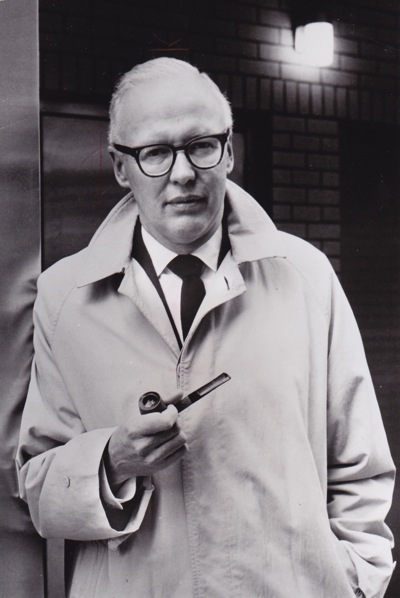
Here’s John D. Macdonald, from the introduction to his short story collection, The Good Old Stuff.
First, there has to be a strong sense of story. I want to be intrigued by wondering what is going to happen next. I want the people that I read about to be in difficulties–emotional, moral, spiritual, whatever, and I want to live with them while they’re finding their way out of these difficulties. Second, I want the writer to make me suspend my disbelief…. I want to be in some other place and scene of the writer’s devising. Next, I want him to have a bit of magic in his prose style, a bit of unobtrusive poetry. I want to have words and phrases really sing. And I like an attitude of wryness, realism, the sense of inevitability. I think that writing–good writing– should be like listening to music, where you pick out the themes, you see what the composer is doing with those themes, and then, just when you think you have him properly analyzed, and his method identified, he will put in a little quirk, a little twist, that will be so unexpected that you read it with a sens of glee, a sense of joy, because of its aptness, even though it may be a very dire and bloody part of the book. So I want story, wit, music, wryness, color, and a sense of reality in what I read, and I try to get it in what I write.
He makes it sound almost easy.

 I already mentioned how writing my first Aculeo & Amunet story in Italian was a weird experience – how the characters changed, how their speech patterns altered.





 Karavansara