Karavansara

East of Constantinople, West of Shanghai


8 Comments

The Man That Would Be King, John Houston – 1946

GreatImaginaryFilm-Caine_zpsfdf9dfa1

Click on Caine as Bond to get the full list of the blogathon participants

Something different for today’s post – Karavansara is participating in The Great Imaginary Film Blogathon promoted by the fine ladies managing the Silver Scenes Blog.
The idea is simple – post an article about a movie that might have been.
Being Karavansara a blog about adventure, pulp and the Orient – we have obviously picked a nice pulpy adventure movie set in the higher reaches of the Himalayas, and based on a famous novella by Rudyard Kipling.
Being somewhat perverse, we also dropped a few dollops of uchronia in the mix, and hid a few bonuses in the following post.
And so, here goes our entry.

Enjoy!

Karavansara’s Imaginary Movie of the Week
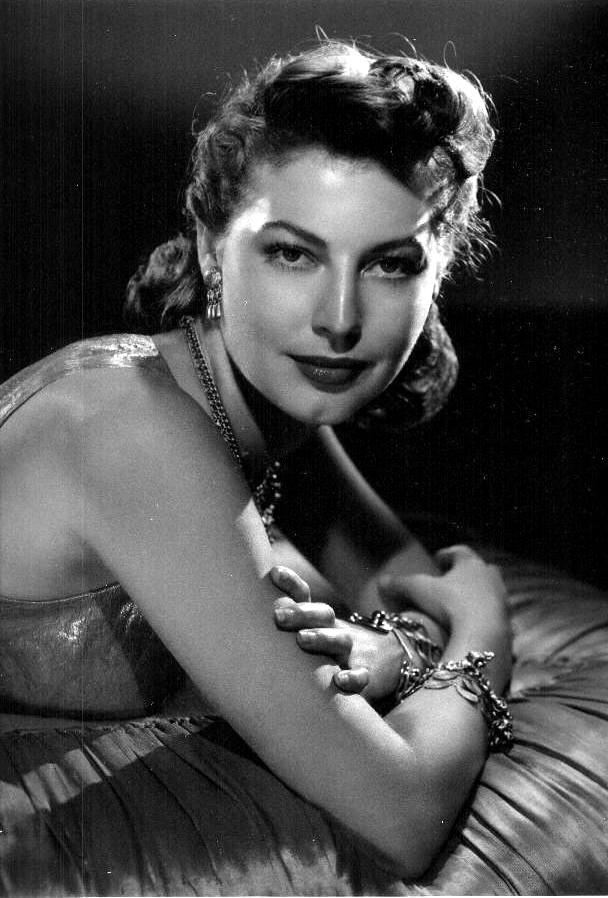
ava_gardner_gallery_4a

Ava Gardner as Roxanne (photographer unknown)

. title: The Man That Would Be King
. year of production: 1946
. cast:

Clark Gable (Daniel Dravot)
Humphrey Bogart (Peachy Carnehan)
David Niven (Rudyard Kipling)
Ava Gardner (Roxanne)
Pedro Armendariz (Billy Fish)

. Directed by John Huston
. Screenplay John Huston, Leigh Brackett & Robert E. Howard, from the Rudyard KiplingĀ  story of the same title
. Paramount
. Technicolor
. Plot in brief: former British Indian Army NCOs Dravot and Carnehan travel to a secluded Himalayan valley, planning to set themselves up as war lords. Through a series of weird coincidences, the two rogues rise to the status of gods, but in the end they lose everything. Only Peachy survives the ordeal, and comes back to relate the story of Dravot’s rise to power and fall from grace.

I will not bore you with how great this movie is.
I’ll leave it to others, better than me, to provide some further information. Continue reading


Leave a comment

Copy & Content

My new ebook is ready to roll.

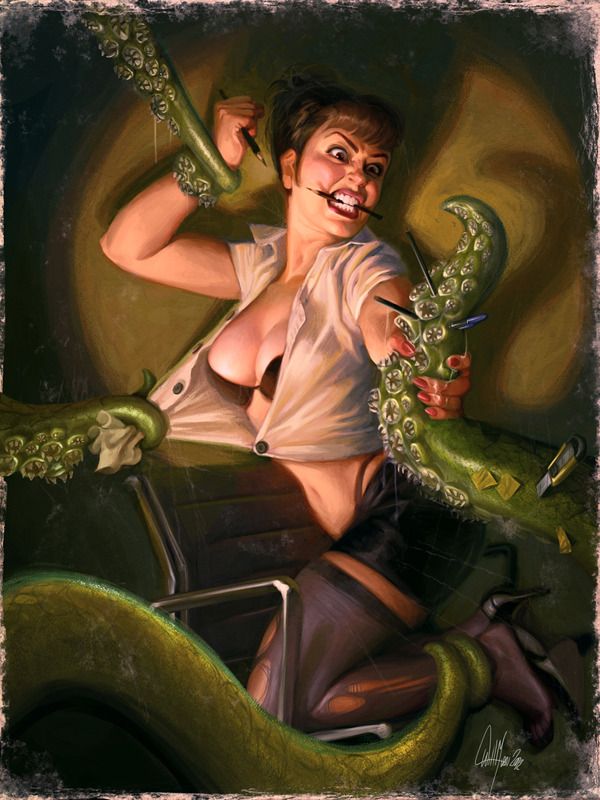
20246060-warning-sign-wrecking-crew-vectorTime to give credit to my editors.
While beta readers, artists and marketers are a relatively new thing, to me, I’ve been working with different editors for a few years.
And I learned to respect and appreciate their work.
And I ‘m finally learning to work with them – because it’s not something that comes to you straight away.

Now, there’s this strange theory, going around, that the editor rewrites your story.
Which is, to me, eminently dubious.
Oh, granted, I did work with editors that just went and changed my text straight away – in one case requesting a 10.000 words article and then arbitrarily cutting it to 6.000 because the available space on the magazine had “contracted”.
My reasoning then was, they could have asked me for the cuts – or for a shorter piece from the start.
And no, I’m not selling my stuff to that mag anymore*.

And yet, the practice of rewriting has become such, that one can actually recognize the editor’s style when reading the text.
The author is reduced to the role of content provider, not of text stylist.

In my experience, good editors point out the problems, and get me on the right track for rewriting my own stuff in a more efficient way.
The sort of professionals that can accept the fact that yes, it does sound weird, but it’s supposed to sound weird.noir-art-glen-orbik-fifty-to-one-via-anantoinetteaffair-tumblr

Anyway, I’m very lucky – not only I worked with great editors in the past, but right now I’m exploiting shamelessly some of the best editors – both copy- and content- – I ever met.

Which is why I’m taking some blog space to thank both Marina and Chiara.

Thank you ladies!

[yes, both my copy editor and my content editor are gorgeous, brilliant young women, and excellent writers in their own right – it’s one of the perks that come with writing pulp fiction]

—————————————————————————-

* In another case I worked with one editor that was so enthusiastic about my work, he did not see a number of problems – causing me to withdraw my ebook after publishing it, in order to insert the corrections suggested by my (paying) readers.
It was awkward.