
“He was a devil incarnate in his ability to govern and defend a town, and a man of extraordinary courage”
This, according to Ibn al-Athir, Arab chronicler of the Crusades, was Conrad of Monferrat.
But then of course Sir Walter Scott got to work and gave the upstart Italian that had defeated Saladin and (more importantly, for Scott) opposed Richard Lionheart his just desserts.
And I, that I am sitting right now smack in the middle of Montferrat, never heard about the guy. Weird, considering this should be part of our History curriculum in school, right?
Looks like it’s time to set the record straight.
This is a story that will feature intrigue, politics, swordfights, courage and a mysterious death, the lot in the Holy Land during the Third Crusade.
Perfect for Karavansara.
 So, after yesterday’s roundup of Latin dirty words, here’s a quick list of Ancient Greek terms that are absolutely not safe for works, especially if you are a citizen of the Empire…
 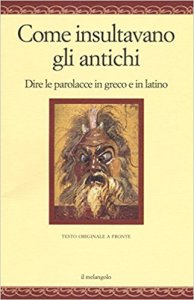 As I crawl towards my fifty-first birthday, friends are starting to hit me with gifts. Books and records, mostly, because they know what I like.
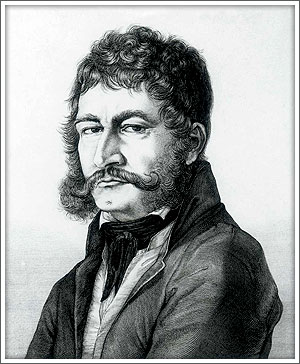 I’m putting together the special contents for the SuperDeLuxe Edition of AMARNA, and because of this, and because of an article I’ve written for a Turin-based magazine, I did some digging about Bernardino Drovetti.
 Karavansara