
It can be argued that Ernest Hemingway was one of those authors that turned their own life into a story they were writing and selling.
Whether it was a conscious effort or an unplanned consequence of a number of circumstances I cannot say, but it’s certain that “Hemingway” was not just a set of books, but also a style, an attitude, a lifestyle.
A brand and a platform, modern marketeers might say.
Look at all those photographs.
We don’t have as many shots of, say, Raymond Chandler or Dorothy Parker, they are not so widely circulated.
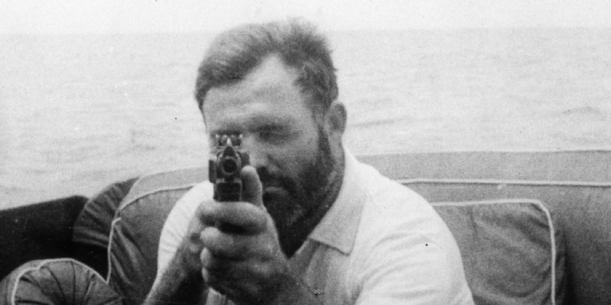
It is not surprising then if Ernest Hemingway became the subject of other people’s fiction. Continue reading
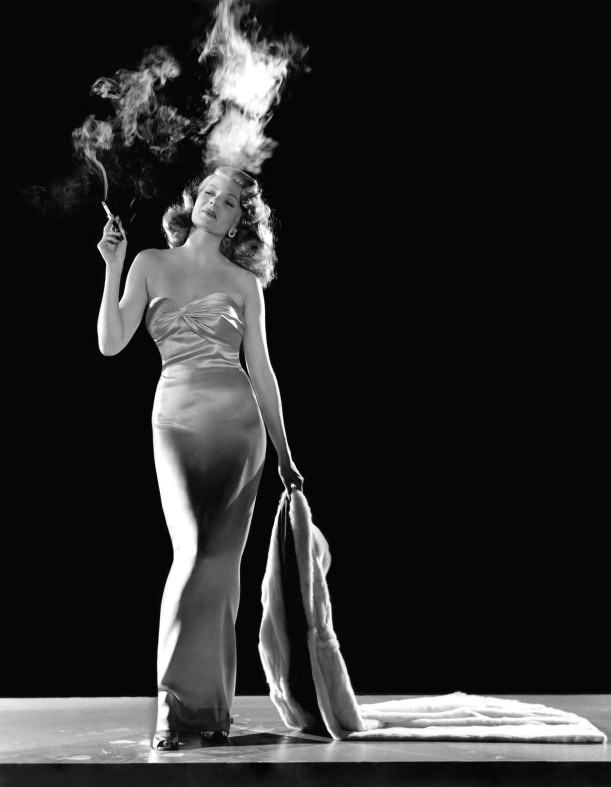

 Now, the book is not essential in the story. It’s just a prop, something my character can cling to as the events in her life suddenly start twisting in a whole new direction.
 Less than 12 hours after the paintings by Astor Alexander started making the rounds, a call hit the usual suspects, for an anthology of pulp retellings of faery tales.
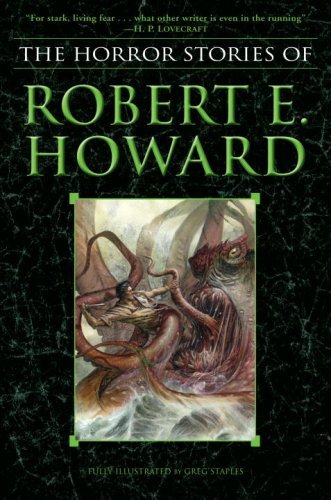 A very quick heads up – apparently Amazon is selling the Del Rey collection
  Karavansara